
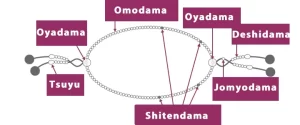
Was sind buddhistische Shingon-Gebetsketten?
Es gibt Gebetsketten für die Shingon-Sekte Es gibt männliche und weibliche Perlen.Die buddhistische Mala Shingon besteht aus 108 Haupt-Mala-Perlen, die sowohl für Männer als auch für Frauen die gleiche Form haben, sich aber nur in der Größe unterscheiden. In der Shingon-Sekte sind Gebetsketten im Vergleich zu anderen Sekten besonders wichtig.Zum Beispiel repräsentieren die 108 Hauptperlen die 108 Gottheiten der Kongo-Welt und die großen Perlen die Weisheit von Dainichi Nyorai.Die kleinen Kügelchen (Shiten), die es umgeben, sind die vier Buddhas in vier Richtungen (Mida, Muro, Ashuku, Shaka) des Mandalas, das das Universum ausdrückt.Es gibt auch eine Interpretation, die besagt, dass es sich auf die vier Bodhisattvas bezieht: Fugen Bosatsu, Kannon Bosatsu, […]
What are Shingon Buddhist prayer beads?
There are prayer beads for Shingon sect There are male beads and female beads.The Shingon Buddhist mala has 108 main mala beads, which are the same shape for both men and women, but differ only in size. In the Shingon sect, compared to other sects, prayer beads are especially important.For example, the 108 main beads represent the 108 deities of the Kongo world, and the big beads represent the wisdom of Dainichi Nyorai.The small beads (Shiten) surrounding it are the four Buddhas in four directions (Mida, Muro, Ashuku, Shaka) of the mandala that expresses the universe.There is also an interpretation that it refers to the four bodhisattvas: Fugen Bosatsu, Kannon […]

Empfohlene Tatami-Nap-Matratze
Tatami-Nap-Matratze, die sich jederzeit gut anfühlt Die glatte Textur von Tatami Rush fühlt sich gut auf Ihrer nackten Haut an.Mit 2,5-mal mehr Feuchtigkeitsaufnahme als Baumwolle und natürlicher Desodorierungskraft können Sie sich immer wohl fühlen. Sie können sich entspannen, indem Sie sich auf die Tatami Nap Mattres legen Die Größe der Tatami Nap Matratze ist auch GUT! Er hat fast die gleiche Größe wie ein Futon in Einzelgröße, so dass Sie Ihren ganzen Körper darauf legen und sich bequem ausruhen können. Die Tatami Nap Matratze ist faltbar für eine bequeme Aufbewahrung Das Geheimnis, um das Falten zu erleichtern, besteht darin, dass die feste Baumwolle im Inneren geprägt ist.Es handelt sich um […]
Recommended Tatami nap mattress
Tatami nap mattress that feels good anytime The smooth texture of Tatami Rush feels good on your bare skin.With 2.5 times more moisture absorption than cotton and natural deodorizing power, you can always feel comfortable. You can relax by lying on the Tatami Nap Mattres The size of the Tatami nap mattress is also GOOD! It's almost the same size as a single size futon, so you can put your whole body on it and rest comfortably. Tatami Nap Mattress is foldable for convenient storage The secret to making it easy to fold is that the solid cotton inside is embossed.It is an easy-to-use Tatami nap mattress that has been […]
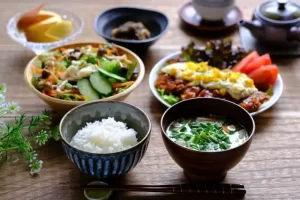
Was ist der Unterschied zwischen japanischem Geschirr und westlichem Geschirr?
Geschirr "Hold" und "Put" Unterschiede in der Natur aufgrund von Gewohnheiten.Die japanische Etikette besagt, dass man beim Essen eine Reisschüssel oder eine Miso-Suppenschüssel in der Hand hält.Beim Verzehr von westlichem Essen ist es jedoch üblich, das Geschirr während des Essens auf dem Tisch stehen zu lassen.Westliches Geschirr ist groß und schwer, weil man das Geschirr zum Essen nicht von Hand anheben muss.Japanisches Geschirr weist verschiedene individuelle Unterschiede in Form, Größe und Gewicht auf. Die Einzigartigkeit des japanischen Geschirrs hängt mit der Kultur der Stäbchen zusammen.So wird zum Beispiel Miso-Suppe direkt in den Mund gebefördert, sodass nicht nur das Gefühl der Schüssel, sondern auch das Mundgefühl wichtig ist. Neben dem Design […]
What is the difference between Japanese tableware and Western tableware?
"Hold" and "Put" tableware Differences in nature due to habits.Japanese etiquette is to hold a rice bowl or miso soup bowl while eating.However, when eating Western food, it is customary to leave the dishes on the table while eating.Western tableware is large and heavy because you don't have to lift the tableware by hand to eat.Japanese tableware has various individual differences in shape, size, and weight. The uniqueness of Japanese tableware is related to the culture of chopsticks.For example, miso soup is delivered directly to the mouth, so not only the feel of the bowl but also the mouthfeel is important. In addition to the design and quality of the […]
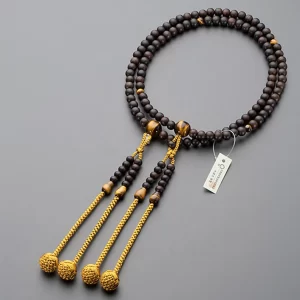
Was sind japanische Gebetsperlen?
Gebetsketten werden "Juzu" genannt und sind in ganz Japan weit verbreitet.Es wird auch Nenju genannt, weil es verwendet wird, um die Anzahl der buddhistischen Sutras und Nembutsu-Gesänge zu zählen.Es wird gesagt, dass du dich mit dem Buddha verbindest, indem du Gebetsketten hältst und deine Hände im Gebet zusammenlegst, dich von weltlichen Begierden entfernst und Verdienste gewinnst.Gebetsketten sind Talismane, die den Besitzer schützen und die einzigen buddhistischen Werkzeuge sind, die die Verbindung zu Buddha zeigen. Über Juzu (Gebetsperlen) und Nenju (Gebetsperlen) ■ Lassen Sie uns die wahre Bedeutung von Gebetsperlen verstehenGebetsketten sollen ein Talisman sein, wenn man sie immer trägt.Indem du deine Hand durch den Kreis der Gebetsperlen steckst, ist es […]
What are Japanese Prayer beads?
Prayer beads are called "Juzu" and are widely spread throughout Japan.It is also called Nenju because it is used to count the number of Buddhist sutras and nembutsu chanting.It is said that by holding prayer beads and putting your hands together in prayer, you will connect with the Buddha, get rid of worldly desires, and gain merit.Prayer beads are talismans that protect the owner and are the only Buddhist tools that show the connection with Buddha. About Juzu (Prayer beads) and Nenju (Prayer beads) ■ Let's understand the true meaning of Prayer beadsPrayer beads are said to be a talisman if you always wear them.By putting your hand through the […]
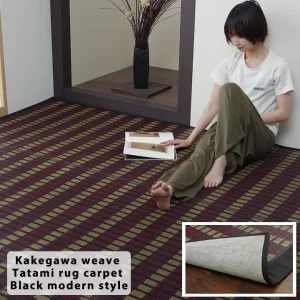
Kakegawa Weben Tatami Teppich empfohlene Einführung
Zunächst einmal ist der Tatami-Teppich ein Teppich aus dem natürlichen Tatami-Material Rush mit traditioneller japanischer Weberei.Und es gibt viele Arten von Tatami Rush Webarten.Unter ihnen werden wir die Kakegawa-Weberei vorstellen, die seit der Antike in der Präfektur Fukuoka, Japan, überliefert wird. Erstens, was webt Kakegawa? Es ist der Name des Tatami-Teppichgewebes, das seit der Antike in der Region Chikugo in der Präfektur Fukuoka, Japan, überliefert wird.Die Kakegawa-Weberei zeichnet sich dadurch aus, dass sich große und kleine Webarten abwechseln.Da die Webmethode außerhalb der Region Chikugo selten zu sehen ist, wird sie als immaterielles Kulturgut der Präfektur Fukuoka ausgewiesen. Kakegawa Webteppich Tatami Teppich mit eleganten Mustern Das größte Merkmal des Kakegawa-Webens ist […]
Kakegawa weaving Tatami rug recommended introduction
First of all, Tatami rug is a rug made of natural Tatami material Rush with traditional Japanese weaving.And there are many types of Tatami Rush weaves.Among them, we will introduce Kakegawa weaving, which has been handed down from ancient times in Fukuoka Prefecture, Japan. In the first place, what is Kakegawa weaving? It is the name of the Tatami rug weave that has been handed down from ancient times in the Chikugo region of Fukuoka Prefecture, Japan.Kakegawa weaving is characterized by alternating large and small weaves.Because the weaving method is rarely seen outside of the Chikugo region, the weaving method is designated as an intangible cultural property of Fukuoka Prefecture. […]