
Wissen Sie, wie man eine Tatami-Matte/einen Teppich auswählt?
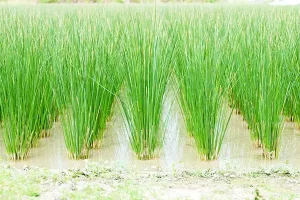
Eigenschaften der Tatami Igusa Matte made in Japan Tatami ist eine einzigartige japanische Kultur. Daher wurde Tatami ursprünglich nur in Japan hergestellt. Igusa (Tatami Rush Material) aus Japan ist von hoher Qualität und verfügt über eine hervorragende Elastizität und Haltbarkeit. Neunzig Prozent des Binsengrases, das in japanischen Tatami verwendet wird, wird in der Präfektur Kumamoto in Japan hergestellt. Kumamoto-Binsengras ist von besonders hoher Qualität und wird schon lange geliebt, weshalb Tatami-Matten heutzutage das Kumamoto-Zeichen tragen. Die Tatami Rush selbst ist schön, fühlt sich gut an und hat einen Duft. Japanische Tatami ist teurer als chinesische Tatamis, aber sie ist robuster und hält dadurch oft länger. Chinesisches Binsengras wird gründlich getrocknet, […]
Do you know how to choose a tatami mat/rug carpet?
Features of Tatami Igusa mat made in Japan Tatami is a unique Japanese culture. Therefore, tatami was originally made only in Japan. Igusa (Tatami Rush material) from Japan is of high quality and has excellent elasticity and durability. Ninety percent of the rush grass used in Japanese tatami is produced in Kumamoto Prefecture, Japan. Kumamoto rush grass is of particularly high quality and has been loved for a long time, which is why these days tatami mats bear the Kumamoto mark. The Tatami Rush itself is beautiful, feels good, and has a fragrance. Japanese tatami is more expensive than Chinese tatami, but it is sturdier and often lasts longer as […]

Warum schlafen Japaner auf Tatami-Matten?
Japanische TraditionTatami-Mattenstil Es überrascht nicht, dass Tatami eine einzigartige japanische Kultur ist, die weltweit ihresgleichen sucht. Japaner haben lange Zeit ihr Leben auf Tatami-Matten sitzend verbracht. Diese Art des Sitzens wird "Seiza" genannt. Darüber hinaus gibt es noch einige andere Manieren beim Gehen auf Tatami. Traditionelle japanische Kulturen wie Teezeremonie (Sado), Kalligraphie (Shodo), Blumenarrangement (Kado) und Judo (Judo), die alle ein in Japan verwurzeltes "DO" haben, sind eng mit der traditionellen Tatami-Matte verbunden. Die Tatami-Matte kann als die Grundlage angesehen werden, die den japanischen Geist geschaffen hat. Warum ziehen die Japaner ihre Schuhe aus? Die Geschichte der Tatami reicht bis ins 10. Jahrhundert v. Chr. zurück. Zu dieser Zeit wandelten […]
Why do Japanese people sleep on tatami mats?
Japanese traditionTatami mat style Not surprisingly, tatami is a unique Japanese culture, unparalleled anywhere in the world. Japanese people have long lived their lives sitting on tatami mats. That way of sitting is called “Seiza”. In addition, several other manners exist when walking on tatami. Traditional Japanese culture such as tea ceremony (Sado), calligraphy (Shodo), flower arrangement (Kado), and judo (Judo), all of which have a “DO” rooted in Japan, are closely related to the traditional tatami mat. Tatami mat can be thought of as the foundation that created the Japanese spirit. Why do the Japanese remove their shoes? The history of tatami dates back to around the 10th century […]
Wie reinige ich die Tatami-Matte?
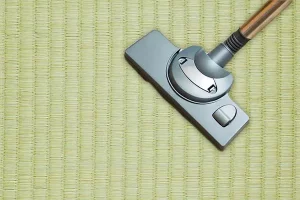
Tatami Matte, Tatami Teppich Teppich Vacuum. Für die tägliche Pflege von Tatamis muss nur gesaugt werden. Bitte beachten Sie jedoch, dass es beim Staubsaugen zu Beschädigungen kommen kann, wie z. B. Lockerungen oder Herausfallen von Gras. Tatami besteht aus einer Pflanzenfaser namens "Igusa", die eine unebene Oberfläche hat. Staub neigt dazu, in den Lücken zwischen den Fasern stecken zu bleiben, die als Tatami-Korn bekannt sind, daher ist es wichtig, mit der Strömung der Fasern zu saugen. Sie müssen nicht viel Kraft aufwenden, um die Tatami zu reinigen. Mit einem trockenen Baumwolltuch abwischen Nachdem Sie die Tatami mit einem Staubsauger von Schmutz befreit haben, versuchen Sie, sie trocken zu wischen. Wischen […]
How to clean the tatami mat?
Tatami mat, tatami rug carpet Vacuum. Daily care of tatami requires only vacuuming. However, please note that vacuuming may cause damage, such as loosening or grass falling out. Tatami is made of a plant fiber called “Igusa”, which has an uneven surface. Dust tends to get stuck in the gaps between the fibers, known as the grain of tatami, so it is important to vacuum along with the flow of the fibers. You don’t have to exert a lot of force to clean the tatami. Wipe with a dry cotton cloth After removing debris from the tatami with a vacuum cleaner, try wiping it dry. Wipe along the direction of […]
Wie werden Tatami-Matten in Japan hergestellt?
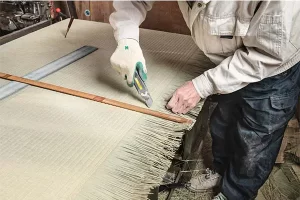
Über Tatami Mattenbezug "TATAMI OMOTE" "TATAMIOMOTE" wird hergestellt, indem Binsengras in die Kette eingewebt wird. Tatami Rush (IGUSA) wird nach Qualität, Länge, Farbe und Anzahl eingestuft. Der hochwertige Tatami Mattenbezug "TATAMI OMOTE" entsteht durch die Auswahl von hochwertigem Tatami Rush (IGUSA). Der hochwertige Tatami Mattenbezug "TATAMI OMOTE" ist langlebig, da er mit starken Fäden in vertikaler Richtung dicht gewebt ist. Da langes Gras verwendet wird, verfärben sich die Ränder der Tatami nicht. Es ist sehr schön mit lebendigen Farben. Vertikaler Faden Es gibt zwei Arten von Kettfäden: Baumwollfaden und Hanffaden, und Hanffaden ist stärker als Baumwollfaden. Darüber hinaus gibt es Kombinationen aus reinem Baumwollgarn, einer Kombination aus Baumwolle und Leinen […]
How are tatami mats made in Japan?
About Tatami mat cover "TATAMI OMOTE" TATAMIOMOTE" is made by weaving rush grass into the warp. Tatami Rush (IGUSA) is ranked according to its quality, length, color, and number. The high-quality Tatami mat cover "TATAMI OMOTE" is made by selecting high-quality Tatami Rush (IGUSA). The high-quality Tatami mat cover "TATAMI OMOTE" is durable because it is tightly woven with strong threads in the vertical direction. Since long grass is used, the edges of the tatami will not discolor. It is very beautiful with vivid colors. Vertical thread There are two types of warp threads: cotton thread and hemp thread, and hemp thread is stronger than cotton thread. In addition, there […]
Geschichte der Tatami-Matten | einzigartiges Stück japanischer Kultur
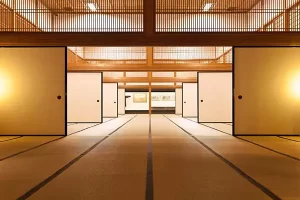
Geschichte der Tatami-Matten Tatami-Matten sind eine traditionelle japanische Kultur. Tatami-Matten sind eine traditionelle Kultur, die ihren Ursprung und ihre Entwicklung in Japan hat und in der Alten Chronik Japans in der Antike beschrieben wurde. Am Anfang ging man davon aus, dass traditionelle Tatami-Teppiche zwischen den Brettern statt auf dem Boden verlegt wurden und als Bettwäsche verwendet wurden. Es scheint aus der Zeit zu stammen. Von der Kamakura-Zeit (1185-1333 n. Chr.) bis zur Muromachi-Zeit (1336-1573 n. Chr.) wurden Tatami-Matten schließlich im ganzen Raum verteilt. Dann wurde es als Raum für die Bewirtung von Adligen und Gästen genutzt und als Bodenbelag für Gebäude behandelt. Zu dieser Zeit waren Tatami-Matten als Symbol für […]
History of tatami mats | unique piece of Japanese culture
History of tatami mats Tatami mats are a traditional Japanese culture. Tatami mats are a traditional culture that originated and developed in Japan and have been described in Japan's Ancient Chronicle in ancient times. In the beginning, it is thought that traditional Tatami rug carpets were laid between the boards instead of being laid on the floor, and they were used as bedding. It seems to be from around the time. From the Kamakura period(1185-1333 CE) to the Muromachi period(1336–1573 CE), tatami mats were finally spread throughout the room. Then, it came to be used as a room to entertain noble people and guests, and it was treated as a building […]